


Introduction
“Art” and “Craft” — two words that often appear side by side, yet carry different meanings, histories, and values. While both involve creativity, skill, and dedication, they differ in purpose, context, and how they are valued in society and the marketplace.
This blog explores the clear distinctions between art and craft, how to identify them, their respective demands in today’s markets, their origins, and why both continue to play vital roles in shaping culture. Along the way, you’ll find freely usable images that illustrate these ideas.
1. Definitions
Art
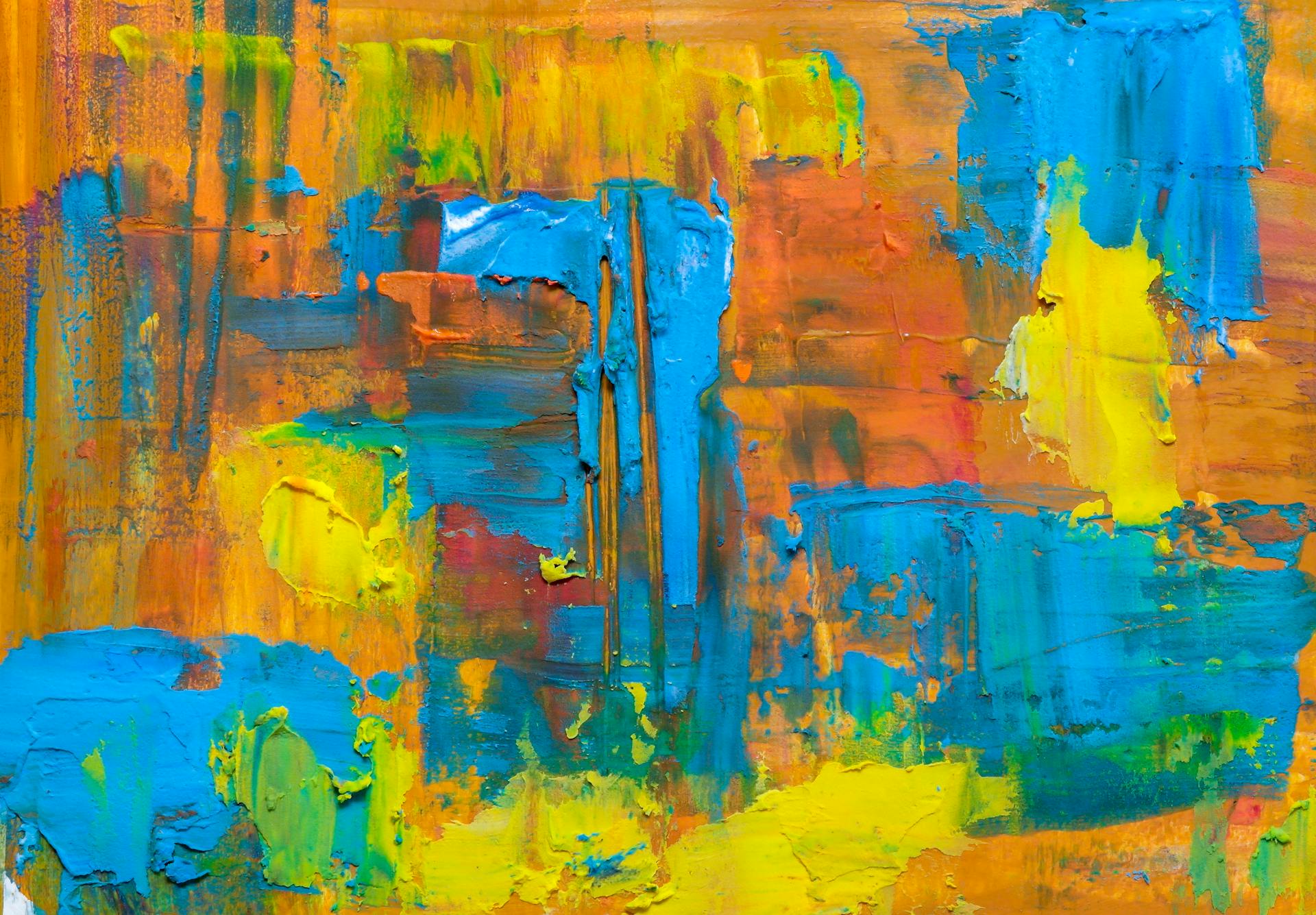
Art is often defined as a single piece and one of its kind work created primarily for expression, communication and contemplation. It can be created with imagination, symbolism, and originality in terms of style, medium, subject or presentation. Art can challenge norms, inspire emotions, or provoke deep thought — whether through a painting, sculpture, installation, or performance.
In short: Art is unique and one of its kind creation exists for the mind and heart before it exists for the hands.
Craft
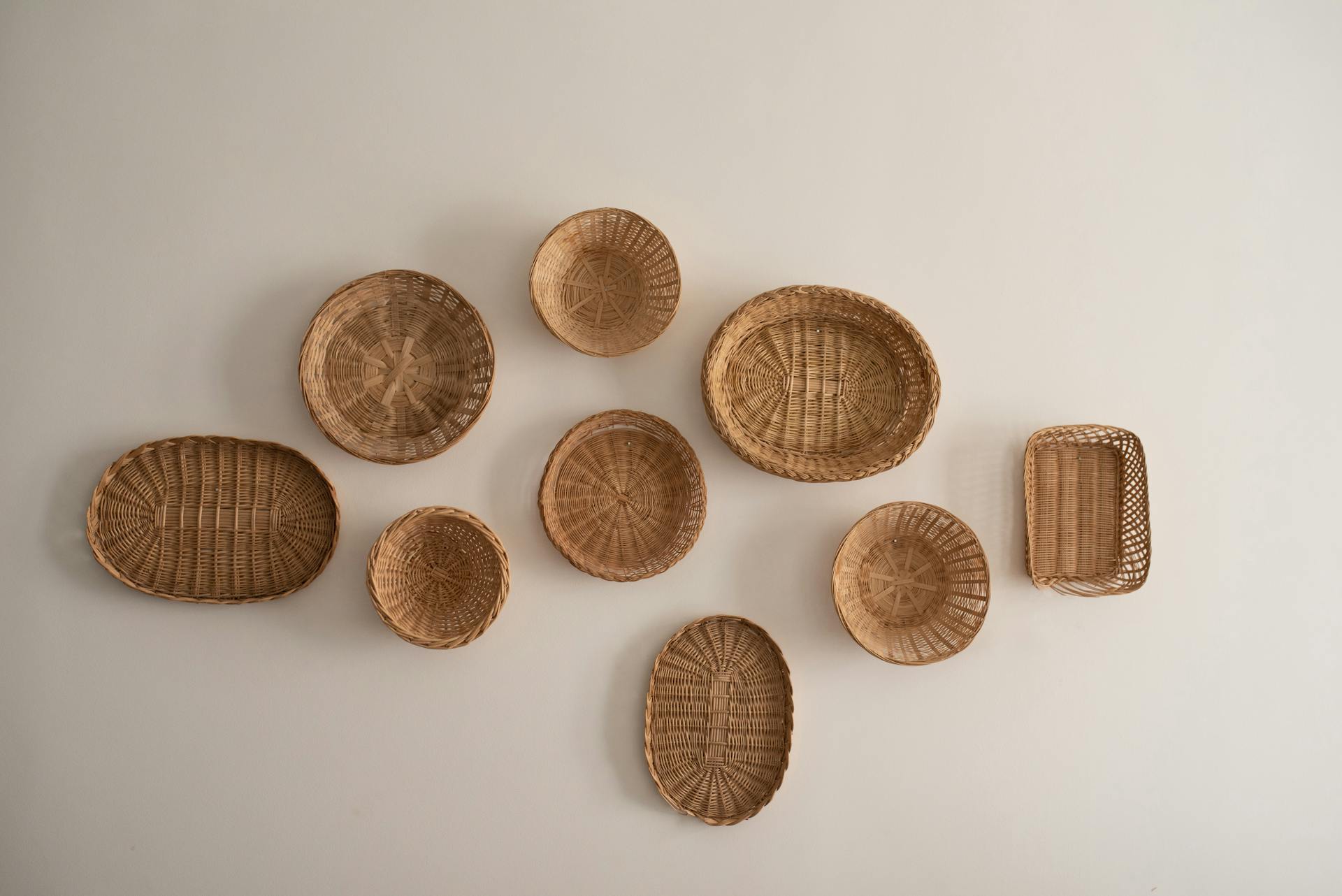
Craft generally refers to skilled making with multiple copies with a focus on tradition, function and technique. Crafted objects are often designed for use or decoration, gift or reflection of tradition — think pottery, weaving, woodwork, or jewelry — with beauty and precision at the forefront.
In short: Craft are replicated creative piece exists for the hands and the home, often marrying utility with beauty.
2. Quick Ways to find Difference between Art and Craft
Here’s a simple five-point checklist to distinguish between the two in most everyday cases (though there are exceptions):
- Primary Purpose
- Craft: Created to be used or worn (cup, textile, chair)
- Art: Created to express an idea, emotion, reflect state of mind or culture
- Reproducibility
- Craft: Relies on repeatable, teachable techniques
- Art: Often unique, concept-driven and one of its kind
- Display Context
- Craft: Sold in craft fairs, design markets, boutiques
- Art: Displayed in art galleries, museums, and exhibitions
- Artist’s Intent
- Craft: Solves a functional or decorative problem
- Art: Explores meaning, social issues, cultural reflection or personal narratives
- Audience Interaction
- Craft: Invites use and touch and visual appeal
- Art: Invites reflection and interpretation and deeper meaning and connect
3. The Demand in Today’s Markets
Art Market
The global art market reached USD 57.5 billion in sales in 2024, according to the Art Basel & UBS Art Market Report. High-end galleries, international fairs, and auction houses dominate, with individual artworks sometimes fetching millions. However, the market is volatile, fluctuating with economic conditions and trends.
Craft Market
The global arts-and-crafts sector, which includes artisan goods, home décor, slow-fashion products, and handmade items, continues to grow thanks to e-commerce platforms and a renewed interest in ethical, sustainable living. While prices for individual items are usually lower than in fine art, crafts sell in higher volumes and can sustain steady income for makers.
4. How It All Started: A Brief History
Historically, there was no clear division. In the Middle Ages and Renaissance, both artists and craftsmen were seen as skilled workers. The Latin word art meant “skill” and applied equally to painters, architects, and carpenters.
The split between art and craft began in the 18th and 19th centuries, the rich and famous wanted to keep unique and extraordinary piece of art for thm awhich should be exclusively for them and there should not be any other copy of what they have. And in the process “fine art” became associated with intellectual and creative expression and unique and exclusive without second copy while “craft” was relegated to functional or decorative work.
The Arts and Crafts Movement of the late 19th century, led by figures like William Morris, challenged this divide, advocating for the unity of design and making. They argued that beauty, skill, and utility should coexist in all objects.
5. Key Differences — Side by Side
| Aspect | Craft | Art |
|---|---|---|
| Purpose | Function + beauty | Exclusive + Expression + idea + Investment |
| Production | Skilled, often reproducible techniques | Unique or concept-driven creation |
| Value Drivers | Material quality, skill, cultural authenticity | Status Symbol, Originality, concept, Documentation of Culture and History, Inttllectual Acceptance, High Resale value |
| Economic Channels | Markets, boutiques, online craft platforms | Galleries, collectors, auction houses, Online Art Portal |
| Recognition | Community-based, traditional | Individually recognized, art historians, art gallery and museum, art critic |
6. Uses in Today’s Society
The Role of Craft
Craft fills our homes and daily lives:
- Pottery to serve food
- Textiles for clothing and décor
- Jewelry for adornment
- Furniture for living spaces
- Home decors for decorating modern houses aesthetically
Craft also preserves cultural heritage, sustains rural livelihoods, and promotes sustainable production.
The Role of Art
Art challenges perceptions, preserves collective memory, and sparks conversation on issues like politics, identity, and the environment. Public murals, gallery exhibitions, performance art, Digital art, installations all serve to engage society at an emotional and intellectual level.
8. The Blurred Line
Many modern creators deliberately blur the line when they create single piece or limited edition crafts for a perticular client or project:
- Ceramic artists producing gallery-only vessels
- Textile artists making conceptual wall hangings
- Furniture designers crafting functional art pieces
Museums now often display “craft” alongside paintings and sculptures, challenging outdated hierarchies.
9. Takeaways for Collectors and Makers
- Buy craft for daily use and heritage preservation
- Buy art for intellectual, emotional engagement and a smart investment option
- Support local makers and artists through direct purchases
- Remember that context changes perception — a basket in a market stall is seen differently from the same basket in a gallery which is very unique and may be single peiece of limited edition copy.
Conclusion: Why Both Matter
Art and craft are not in competition — they are complementary expressions of human creativity. Craft keeps alive the skills and traditions that make our daily world beautiful and functional. Art explores the intangible — our thoughts, fears, hopes, and dreams.
Valuing both equally ensures a richer, more balanced cultural and intellectual life.
