



Mrini Gorla Claimed
Emerging Indian artist working on Indian Music based in Hyderabad.
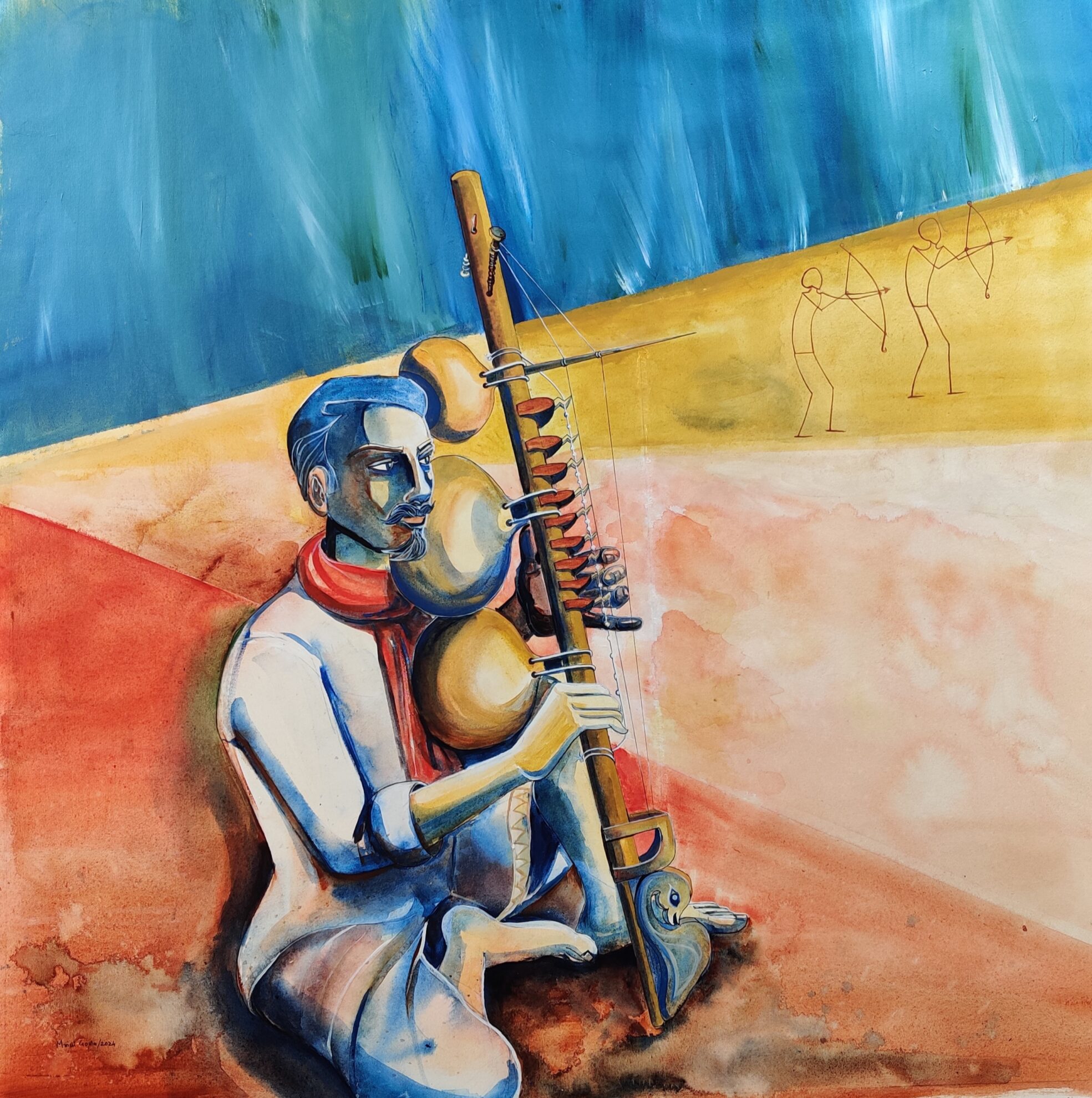
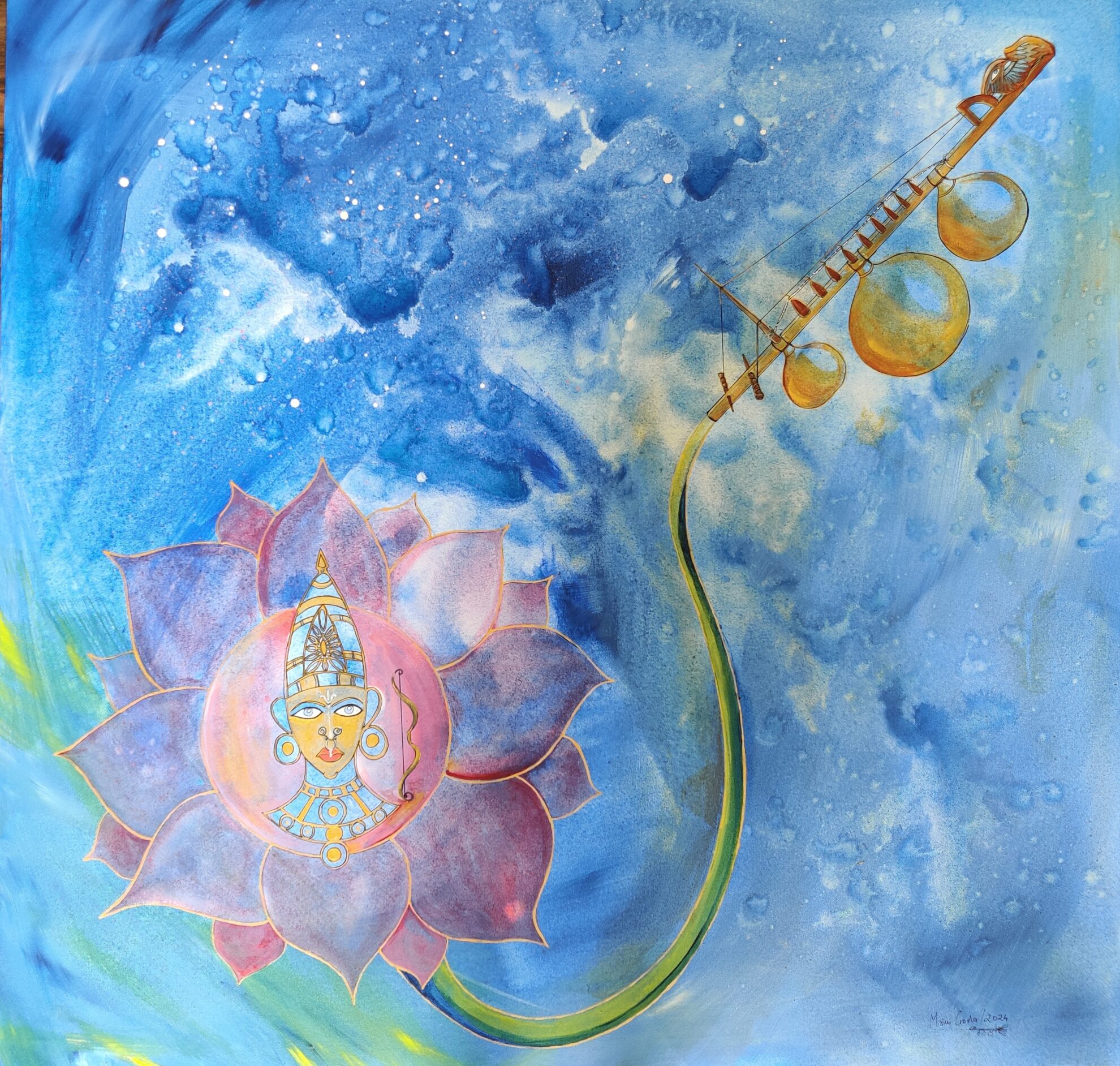
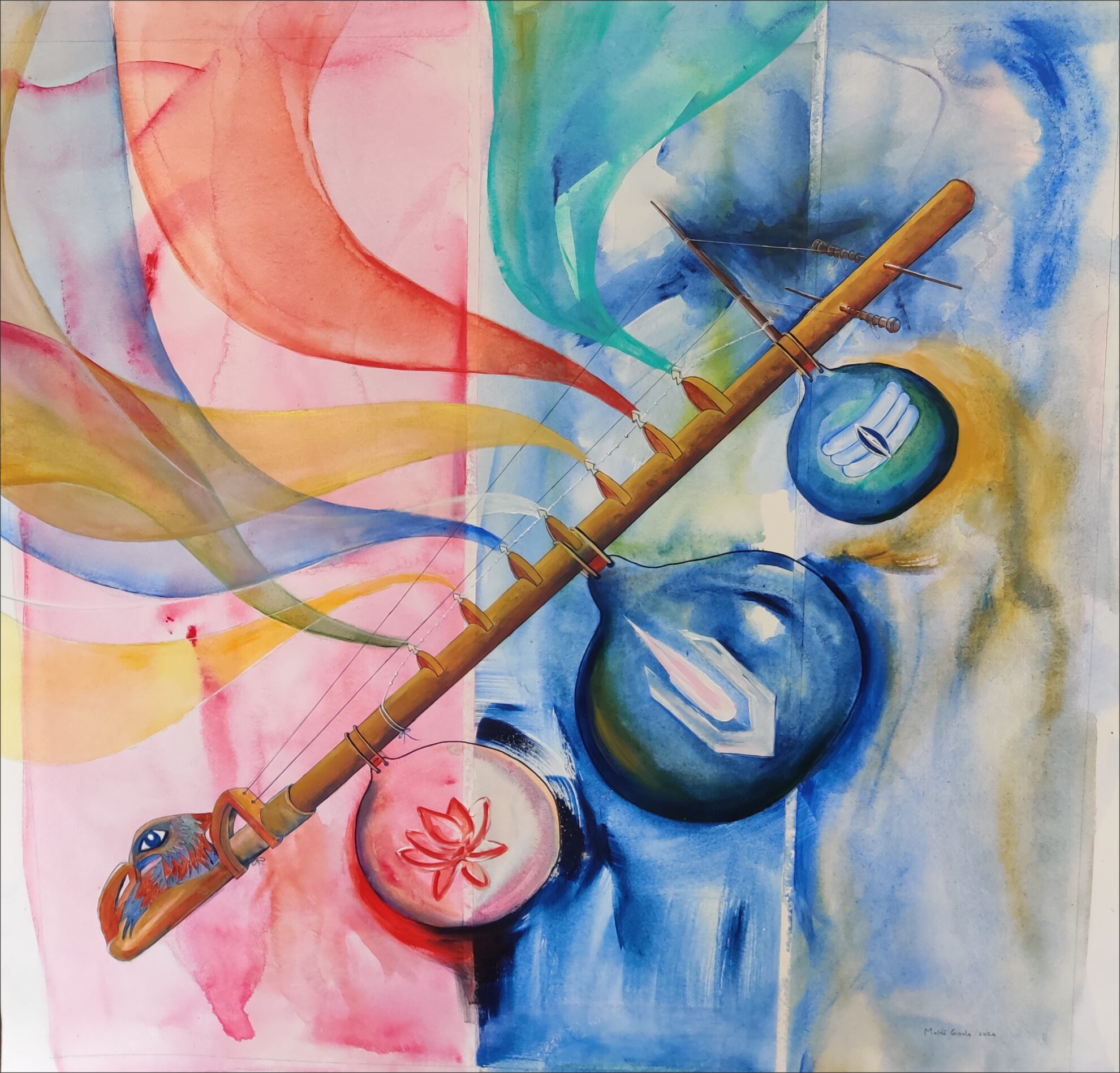
Mrini is a Hyderabad-based conceptual artist whose practice investigates the intersection of sound, memory, and visual form.
Her work translates rhythms, silences, and cultural resonances into spatial and tactile experiences. Moving fluidly between canvas, installation, and mixed media, she treats sound not as representation but as a conceptual seed — unfolding into new perceptions of texture, rhythm, and material.
By reimagining the invisible, Mrini’s practice asks how music, memory, and identity might exist beyond their conventional boundaries.
My creative process is an exploration—a journey that begins with sound and culminates in visual expression. As a Musical Conceptual Artist, my work is rooted in the deep connection between music, culture, and history. The process I follow is both intellectual and intuitive, a blend of research, collaboration, and personal reflection.
Research and Immersion
Every project begins with immersion—I start by deeply engaging with the musical traditions I’m exploring. This includes extensive research into the history, cultural significance, and evolution of the musical instruments that inspire my work. I often conduct field visits, meet with folk musicians, and consult with historians, musicologists, and cultural experts to understand the nuances of each instrument and its role in shaping Indian music.
Conceptualization & Creation
Once I have gathered the research, I begin to conceptualize the visual metaphor I want to create. I think about the emotional resonance of the music, the cultural context of the instrument, and its evolution through time. This stage involves a lot of sketching, experimenting, and exploring different ideas. I draw from both traditional artistic techniques and contemporary approaches to create visual narratives that express music in new ways.
Integration of Visual Metaphors
The true essence of my process lies in visual metaphor—using shapes, colors, and textures to symbolize sound, rhythm, and emotion. I often draw parallels between musical elements (like the flow of a raga or the repetition of a tala) and visual principles (like movement, repetition, and contrast). The goal is to make the viewer feel the music, not just see it.
Reflection & Refinement
As I near the completion of each piece, I step back and reflect on how it aligns with my initial concept. I allow the artwork to “speak” to me, making adjustments where necessary to strengthen the visual impact or to further emphasize the connection between music and its cultural significance.
-
Tower -2, Marina Skies, Sevalal Nagar, Borabanda, Hyderabad, Telangana 500018
Get Directions - mrini.gorla@gmail.com
- 9000015564
-
 Whatsapp
- http://www.mriniart.com
₹ ₹ ₹ ₹ Price Range 6000 - 60000

-
INR7560.00
/ Per Listing
-
Duration : 365 days
Lorem ipsum dolor sit amet, lorem sit.
- Map Display
- Contact Display
- Image Gallery
- Video
- Business Tagline
- Location
- Website
- Social Links
- FAQ
- Price Range
- Tags/Keywords
- Business Hours
- Resurva
- Timekit
- Menu
- Announcement
- Deals-Offers-Discounts
- Hide competitors Ads
- Events
- Lead Form
- Smart Card
- Collaboration
- Discount in Services & Products
- Professional Features
Claim request is processed after verification..
December, 2025
Sunday
August 26,2019
- Tuesday
- 9:00am - 10:00am
Awesome Job!
We have received your appointment and will send you a confirmation to your provided email upon approval.
Contact with business owner
 Your request has been submitted successfully.

